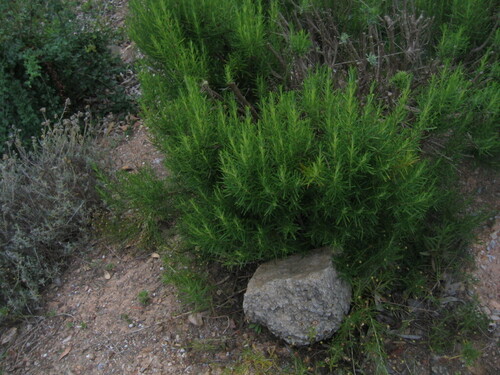
How to care for Rosemary
Watering
Rosemary (Salvia rosmarinus) is a Mediterranean shrub that evolved on dry, rocky hillsides, so it prefers soil that dries out between drinks. Water deeply when the top few centimetres of soil are dry, then let the pot drain fully. Established plants are quite drought tolerant, while young plants and those in containers need more regular checks. Soggy roots are the most common cause of death, so err on the side of too dry rather than too wet.
Does it need water today?
Push a finger 2-3 cm into the soil. If it feels dry and crumbly, water thoroughly. If it feels cool or damp, wait a few days. Lift the pot too: a light pot means it is thirsty, while a heavy pot means it still holds water. In the ground, check the soil around the root zone after a dry spell before watering.
Use a terracotta pot with drainage holes and a gritty mix, such as cactus compost mixed with perlite or sand. Empty the saucer within 15 minutes of watering so the roots never sit in water.
Overwatering
Rosemary roots rot quickly in wet, airless soil because the plant is adapted to lean, fast-draining ground. Constantly damp compost also encourages fungal diseases that attack the woody base.
Symptoms: Yellowing lower leaves, a soft or blackened stem base, leaves that drop while the soil is still wet, and a sour smell from the compost.
Solutions: Stop watering and let the soil dry out fully. Check the roots and cut away any black, mushy sections with clean scissors. Repot into fresh, gritty, well-draining compost in a pot with drainage holes, and only water again once the soil is dry.
Underwatering
Rosemary tolerates drought better than most herbs, but a plant in a small pot can dry out very fast in warm weather. Its needle-like leaves are designed to reduce water loss, so it shows stress by curling and browning rather than wilting like softer plants.
Symptoms: Leaves that curl inward, turn grey-green or brittle, and feel dry to the touch. Soil pulls away from the pot edges, and the plant may stop producing new growth.
Solutions: Water thoroughly until water drains from the base, then keep the soil evenly moist (not wet) for a couple of weeks while the plant recovers. Trim off dead, brown twigs in spring. For severely dried root balls, soak the pot in a tray of water for 30 minutes.
Sunlight
Rosemary is a sun-loving Mediterranean herb that needs strong light to grow dense, aromatic foliage. In full sun it develops the strongest flavour and the sturdiest woody stems. Plants grown in shade become leggy, sparse, and far less fragrant.
- Ideal: Full sun · 6-8 hours of direct sun per day
- Tolerates: Full sun, Partial sun
- Best spot in a room: At the window
- Artificial light: Indoors, a south-facing window is the best option. If light is limited, use a full-spectrum LED grow light placed 15-30 cm above the plant for 12-14 hours a day. Rotate the pot every week so all sides receive light and the plant grows evenly.
Too little light
Rosemary evolved in bright Mediterranean conditions, so low light quickly weakens its woody growth and reduces the oil production that gives it its scent. Without enough light it cannot maintain compact, bushy shape.
Symptoms: Long, pale, floppy stems with big gaps between the needle-like leaves, weak growth that leans toward the window, and a loss of the characteristic fragrance.
Solutions: Move the plant to the sunniest spot you have, ideally a south or west window, or add a grow light. Prune the long, weak stems back by a third in spring to encourage bushier growth. Avoid sudden moves into full sun after a long time indoors, which can scorch the foliage; increase exposure gradually over a week or two.
Too much sun
Rosemary handles intense sun well, but in very hot, dry conditions, or when a plant is moved suddenly into harsh midday light, the needle-like leaves can lose water faster than the roots can replace it. Pots in full sun also heat up quickly, which stresses the roots.
Symptoms: Crispy brown leaf tips, bleached or greyish foliage, and wilting during the hottest part of the day even when the soil is moist.
Solutions: Provide light shade during the hottest afternoons in summer, especially for newly moved plants. Water in the morning, and check pots more often in heat waves, as containers can dry out in hours. Trim off any scorched shoots once new growth appears.
Temperature
Rosemary (Salvia rosmarinus) is a Mediterranean shrub that thrives in warm, sunny conditions and dislikes cold, wet winters. Hardy outdoors to about -10°C once established, but roots suffer when the soil stays soggy in cold weather. Keep it in the warmest, sunniest spot you have and bring container plants indoors before frost.
- Ideal: 10–24 °C
- Tolerates: -10–38 °C
- Hardiness zones: 7-10
Fertilizing
Rosemary needs very little feeding. Too much nitrogen produces soft, leggy growth with weak aroma and makes the plant more vulnerable to frost and root disease. Feed sparingly, mainly in the active growing season, and let the soil dry slightly between feedings.
- Slow-release fertilizer: Apply a light dose of slow-release fertilizer once a year in early spring, or skip it entirely if the soil is reasonably fertile. Rosemary grows well in lean soil.
- Balanced slow-release granular fertilizer for Mediterranean herbs or shrubs, Low-nitrogen liquid tomato or herb feed diluted to half strength, Well-rotted compost as a thin top dressing, Organic bone meal for gentle phosphorus support
Soil
Rosemary needs sharp drainage above all else. Its roots cannot tolerate sitting in wet, heavy or peaty soil, so a gritty, mineral-rich mix that dries out between waterings is essential.
- Gritty Mediterranean mix: Two parts standard potting mix, two parts coarse horticultural sand or grit, and one part perlite or pumice
- Garden bed loam: Native soil improved with coarse sand or fine gravel and a little compost, raised slightly above the surrounding ground
- Cactus or succulent mix: Commercial cactus mix, lightly amended with extra grit to keep it airy and prevent compaction
- pH 6.5–8
Repotting
Rosemary hates wet roots and a pot that is too large. Repot into a slightly bigger container with fast-draining mix, and avoid burying the woody stems deeper than they already were.
- How often: every 2-3 years, or when roots fill the pot
- New pot: Move up only one size, about 2-5 cm wider in diameter, with drainage holes in the base
- Repotting season: Spring, Autumn
How to repot
- Tip the pot on its side and gently ease the plant out, tapping the sides if it sticks
- Loosen the outer roots with your fingers and trim any brown, mushy or circling roots with clean shears
- Place a layer of fresh mix in the new pot so the top of the root ball sits about 2 cm below the rim
- Set the plant at the same depth it grew before, with the woody base level with the soil surface
- Fill around the roots with mix, firm it lightly with your hands, and leave a small gap at the top for watering
- Water thoroughly until it drains from the base, then let the excess drain away completely
Pruning
Prune lightly and regularly rather than all at once. Never cut into bare, leafless old wood on the main stems, because Rosemary often fails to regrow from it.
Pruning season: Spring, Summer
How to prune
- Remove any dead, brown, or damaged stems first, cutting back to healthy green tissue or to the base.
- After the main flush of flowers fades in late spring or early summer, trim the soft green tips by about one third to keep the shape neat.
- Cut just above a leaf node or side shoot so new growth emerges from the cut.
- Thin out crowded or crossing stems in the centre to open the plant to light and air.
- For a hedge or formal shape, shear lightly in summer, taking no more than a third of the foliage at once.
- Avoid heavy pruning in autumn and winter, because fresh growth is vulnerable to frost damage.
Propagation
Stem cuttings · Spring, Summer
- Choose a healthy, non-flowering stem about 10 cm long from the current season's growth of your Rosemary plant.
- Strip the leaves from the bottom 3 cm of the cutting, leaving a few leaves at the tip.
- Dip the cut end in rooting hormone powder if you have it, then tap off the excess.
- Push the cutting 2 to 3 cm deep into a pot of moist, gritty mix such as equal parts potting soil and perlite or sand.
- Place the pot in bright, indirect light at about 18 to 24 °C and keep the mix lightly damp, not soggy.
- Roots usually form in 4 to 8 weeks. Tug gently after that; resistance means roots have formed, so transplant into a larger pot or the garden.
Layering · Spring, Summer
- Pick a long, flexible low branch of the Rosemary shrub that reaches the soil surface.
- Scrape a small patch of bark off the underside of the stem where it touches the ground.
- Pin that wounded section into a shallow trench with a bent wire or stone, leaving the tip above soil.
- Keep the buried section moist through the warm months.
- After roots form, usually within a few months, cut the stem free from the parent plant and move the new plant.
Seed sowing · Spring
- Sow Rosemary seed indoors in early spring, about 8 to 10 weeks before the last frost.
- Surface-sow the very fine seeds on moist seed compost and press them gently without covering them.
- Keep the tray at about 18 to 21 °C in bright light, misting so the surface stays damp.
- Germination is slow and uneven, often taking 2 to 3 weeks or longer.
- Harden seedlings off gradually over a week before planting them outdoors. Seedlings grown from seed may differ from the parent plant.
Rosemary is one of the easier herbs to root from cuttings, especially semi-hardwood tips taken in early summer. Keep the cutting out of direct hot sun until roots form, and avoid soggy soil, since waterlogged stems rot quickly.
About Rosemary
Also known as: Compass plant, Old man, Romero, Incensier
- Plant type: shrub, herb
- Lifespan: perennial
- Distribution: Native to the Mediterranean region, from Iberia and North Africa east to Turkey and the Levant.
- Mature height: 0.5-2 m
- Bloom time: Mainly late winter to spring, sometimes sporadically again in autumn
Pets · People
Pets: Safe · People: Safe. Not listed as toxic by the ASPCA. Culinary amounts are harmless to cats, dogs and children; large amounts of the essential oil may cause stomach upset.
Common problems
- Root rot: Waterlogged or heavy soil causes roots to rot and the plant to collapse, often in winter.
- Rosemary beetle: The larvae of Chrysolina americana chew leaves and can defoliate young shoots in spring.
- Powdery mildew: White powdery coating on leaves appears in humid, crowded or poorly ventilated conditions.
- Woody dieback: Old plants become bare and woody at the base after hard pruning or long neglect.
- Spider mites: Fine webbing and stippled leaves appear in hot, dry indoor conditions.
Uses
Rosemary is a staple culinary herb across Mediterranean and European cooking, used fresh or dried with meats, potatoes, breads and oils. Its essential oil is used in perfumery, soaps and aromatherapy, and it has a long traditional role in folk remedies for digestion and memory. It is also widely grown as an ornamental hedge and groundcover in dry gardens.
Is it edible?
Leaves and flowering tops are edible fresh or dried; flowers can be scattered over salads. Use the leaves sparingly because the oils are strong.
History & legends
Rosemary has been associated with memory since antiquity; Greek students wore sprigs during exams, and it was later carried at weddings and funerals. In medieval Europe it was burned in sickrooms and believed to ward off illness. Legend holds that the Virgin Mary spread her blue cloak over a rosemary bush, turning its flowers blue.
Did you know?
The name rosemary comes from Latin ros marinus, meaning dew of the sea, a reference to its coastal Mediterranean home.
Frequently asked questions
How often should I water Rosemary?
every 14 days. Rosemary (Salvia rosmarinus) is a Mediterranean shrub that evolved on dry, rocky hillsides, so it prefers soil that dries out between drinks. Water deeply when the top few centimetres of soil are dry, then let the pot drain fully. Established plants are quite drought tolerant, while young plants and those in containers need more regular checks. Soggy roots are the most common cause of death, so err on the side of too dry rather than too wet. Push a finger 2-3 cm into the soil. If it feels dry and crumbly, water thoroughly. If it feels cool or damp, wait a few days. Lift the pot too: a light pot means it is thirsty, while a heavy pot means it still holds water. In the ground, check the soil around the root zone after a dry spell before watering.
How much light does Rosemary need?
Full sun (6-8 hours of direct sun per day). Rosemary is a sun-loving Mediterranean herb that needs strong light to grow dense, aromatic foliage. In full sun it develops the strongest flavour and the sturdiest woody stems. Plants grown in shade become leggy, sparse, and far less fragrant.
What temperature does Rosemary like?
10–24 °C. Rosemary (Salvia rosmarinus) is a Mediterranean shrub that thrives in warm, sunny conditions and dislikes cold, wet winters. Hardy outdoors to about -10°C once established, but roots suffer when the soil stays soggy in cold weather. Keep it in the warmest, sunniest spot you have and bring container plants indoors before frost.
Is Rosemary toxic to cats and dogs?
It is safe for cats and dogs. Not listed as toxic by the ASPCA. Culinary amounts are harmless to cats, dogs and children; large amounts of the essential oil may cause stomach upset.
What are the most common problems of Rosemary?
Root rot: Waterlogged or heavy soil causes roots to rot and the plant to collapse, often in winter. Rosemary beetle: The larvae of Chrysolina americana chew leaves and can defoliate young shoots in spring. Powdery mildew: White powdery coating on leaves appears in humid, crowded or poorly ventilated conditions. Woody dieback: Old plants become bare and woody at the base after hard pruning or long neglect. Spider mites: Fine webbing and stippled leaves appear in hot, dry indoor conditions.
When should I repot Rosemary?
every 2-3 years, or when roots fill the pot. Rosemary hates wet roots and a pot that is too large. Repot into a slightly bigger container with fast-draining mix, and avoid burying the woody stems deeper than they already were.
How do I propagate Rosemary?
Stem cuttings, Layering, Seed sowing. Choose a healthy, non-flowering stem about 10 cm long from the current season's growth of your Rosemary plant. Strip the leaves from the bottom 3 cm of the cutting, leaving a few leaves at the tip. Dip the cut end in rooting hormone powder if you have it, then tap off the excess. Push the cutting 2 to 3 cm deep into a pot of moist, gritty mix such as equal parts potting soil and perlite or sand. Place the pot in bright, indirect light at about 18 to 24 °C and keep the mix lightly damp, not soggy. Roots usually form in 4 to 8 weeks. Tug gently after that; resistance means roots have formed, so transplant into a larger pot or the garden.
How this guide was written
Verdiss writes each guide with AI from botanical references and checks the species against iNaturalist and Plants of the World Online (Kew). Readers can rate every guide in the app.
Sources
Verdiss's information is for general guidance. Never eat or use a plant as medicine based on an app: ask a professional.