How to care for common passionfruit
Watering
Common passionfruit (Passiflora edulis) is a vigorous tropical vine that drinks a lot during active growth and flowering, yet its roots rot quickly in soggy soil. Water deeply when the top few centimetres of potting mix feel dry, letting the excess drain freely from the pot. Water less in winter, when growth slows and cool soil holds moisture for longer. Always use a pot with drainage holes and a well-draining mix such as potting soil blended with perlite or bark.
Does it need water today?
Push a finger 3 to 4 cm into the soil. If it feels dry, water thoroughly until water runs out of the drainage holes. If it still feels damp, wait a day or two. You can also lift the pot: a dry pot feels noticeably lighter than one that was just watered.
Passionfruit vines wilt dramatically in heat before the soil is truly dry, so check the soil rather than reacting to drooping leaves alone. Mulching the soil surface of container plants also slows evaporation.
Overwatering
Passionfruit roots need oxygen to take up water and nutrients, and the fleshy roots of Passiflora edulis are easily damaged by waterlogging. Standing water in the pot quickly leads to root rot, which the vine cannot easily recover from.
Symptoms: Yellowing lower leaves, leaves dropping while the soil is still wet, a sour or musty smell from the soil, soft brown stems at the soil line, and sudden wilting even though the soil is moist.
Solutions: Stop watering and let the soil dry out to the top few centimetres. Check the roots: trim away any brown, mushy ones and repot into fresh, well-draining mix in a pot with drainage holes. Reduce watering frequency until new growth appears.
Underwatering
Passionfruit has large, thin leaves that lose water quickly in warm weather, so container vines can dry out within a few days in summer. Repeated drying stresses the vine and reduces flowering and fruit set.
Symptoms: Limp, drooping leaves that perk up after watering, crisp brown leaf edges, dry soil pulling away from the pot sides, and buds or flowers dropping early.
Solutions: Water thoroughly until water drains out the bottom. If the soil has become hydrophobic, soak the pot in a tray of water for 30 minutes. Then water more often during hot spells and consider mulching the surface to reduce evaporation.
Sunlight
Common passionfruit (Passiflora edulis) is a sun-loving tropical vine that needs strong light to produce vigorous growth and abundant flowers. Plants in too much shade grow long, leggy stems with few flowers and little or no fruit. Give it the brightest, sunniest site you have, and rotate container plants occasionally so the vine grows evenly.
- Ideal: Full sun · 6-8 hours of direct sun per day
- Tolerates: Full sun, Partial sun
- Best spot in a room: At the window
- Artificial light: Indoors, a south-facing window is best in the Northern Hemisphere. If natural light is weak, use a full-spectrum grow light placed 30 to 45 cm above the vine for 12 to 14 hours a day during the growing season. Expect indoor plants to flower less than outdoor ones.
Too little light
Passionfruit needs intense light to build the sugars that fuel flowering and fruiting. In low light the vine stretches toward any available light, producing weak, spindly growth that is prone to disease.
Symptoms: Long, pale stems with wide gaps between leaves, small or yellowish leaves, few or no flower buds, and the vine leaning strongly toward a window.
Solutions: Move the plant to the sunniest spot available, ideally a south- or west-facing window or outdoors in full sun once frost danger has passed. Prune back leggy growth to encourage bushier shoots, and add a full-spectrum grow light if indoor light stays weak.
Too much sun
Although passionfruit loves sun, it is grown in tropical and subtropical areas where it still benefits from some shelter. Young plants moved suddenly into intense afternoon sun in a hot climate can be scorched, especially if they were previously kept indoors.
Symptoms: Pale or bleached patches on leaves, crispy brown edges or spots, and leaves curling or dropping during hot afternoons.
Solutions: Gradually acclimatise indoor-grown plants over one to two weeks, starting with a few hours of direct sun. Provide light afternoon shade in very hot regions, and keep the soil moist so the vine can cool itself through its leaves.
Temperature
Common passionfruit (Passiflora edulis) is a tropical vine that thrives in warm, frost-free conditions. Aim for daytime temperatures around 20 to 29°C and keep it above 10°C at night. Growth slows sharply below about 15°C and the vine is damaged by any frost.
- Ideal: 18–29 °C
- Tolerates: 5–35 °C
- Hardiness zones: 9-11
Fertilizing
Passionfruit is a heavy feeder while it grows vigorously and sets fruit. Nitrogen encourages leafy growth, while potassium and phosphorus support flowers and fruit. Feed during active growth from spring to late summer, and stop feeding in late autumn so the vine can harden off before cold weather.
- Slow-release fertilizer: Once a year in early spring, as new growth begins, apply a balanced slow-release granular fertilizer. Not needed for vines in containers that receive liquid feeding through the season.
- Balanced liquid fertilizer, such as an NPK of 10-10-10 or 20-20-20, diluted to half strength, Slow-release granular fertilizer with micronutrients, Potassium-rich tomato or flowering fertilizer during flowering and fruiting, such as 5-10-10, Well-rotted compost or aged manure as a mulch-style top dressing
Soil
Common passionfruit grows best in soil that drains quickly yet stays evenly moist. Its roots need air as much as water, so heavy clay or dense compost that stays wet will cause decline. Aim for a slightly acidic to neutral mix.
- Free-draining fruit or citrus mix: Roughly 40% quality potting soil, 30% perlite or pumice, 20% composted bark, and 10% coarse sand or fine grit
- Loam-based garden soil with added grit: Two parts well-drained garden loam mixed with one part coarse sand and one part compost, which suits in-ground planting
- Peat-free container mix with extra perlite: Coir or bark-based peat-free potting mix with 25-30% added perlite, which holds moisture while still draining freely
- pH 6–7
Repotting
Passiflora edulis has fleshy, fairly coarse roots that resent disturbance and waterlogging. Repot when the vine is actively growing, so it can recover quickly. Always use a container with several large drainage holes.
- How often: Every 1-2 years for young vines; every 2-3 years once established in a large container
- New pot: Move up only 5-7 cm in diameter at each step. Passionfruit vines grow fast, but a pot that is too large holds wet soil around the roots and invites rot. A mature container of 40-50 litres suits a fruiting common passionfruit.
- Repotting season: Spring, Summer
How to repot
- Tip the pot on its side and gently ease the root ball out, tapping the sides if needed
- Loosen the outer roots with your fingers. If they are tightly wound, make a few shallow vertical cuts
- Trim any black, mushy, or broken roots with clean shears
- Place the root ball in the new pot so the top sits about 2-3 cm below the rim
- Fill around the roots with fresh mix and firm it lightly with your hands to remove large air pockets
- Water thoroughly until it drains from the holes, then tie the main stems back to the support
Pruning
Use clean, sharp secateurs and disinfect them between plants. Make cuts just above a healthy node or leaf joint, and remove growth in small amounts rather than cutting the whole vine back at once. Avoid heavy pruning in autumn and winter, because the plant is more vulnerable to cold damage and slow to heal then.
Pruning season: Spring, Summer
How to prune
- In spring, after the last frost, remove any dead, damaged or weak stems back to healthy green wood.
- Cut back overly long lateral shoots to about two or three nodes to encourage flowering spurs.
- Tie in the main stems to the support as you go, spacing them so light can reach the whole plant.
- Through summer, pinch out the growing tips of any shoots that are going beyond the support, and remove suckers growing from the base that are not needed.
- After fruiting, trim back any tired, unproductive side shoots, and keep the main framework tidy so the plant is ready for next season.
- Do not remove more than about one third of the vine in a single session, to avoid stressing the plant.
Propagation
Stem cuttings · Spring, Summer
- Choose a healthy, semi-hardwood stem about 10 to 15 cm long with at least two or three nodes, taken from a vigorous non-flowering shoot of Passiflora edulis.
- Cut just below a node with clean, sharp secateurs, then remove the lower leaves so only one or two leaves remain at the top.
- Dip the cut end in a rooting hormone powder and tap off the excess.
- Insert the cutting into a pot filled with moist, free-draining mix of peat-free compost and perlite or sharp sand.
- Cover loosely with a clear plastic bag or place in a propagator, keep it bright but out of direct sun, and hold the temperature around 22 to 25 °C.
- Check every week and mist lightly if the mix dries out. Roots usually form in four to six weeks; gently tug the cutting to test for resistance before potting on.
Seed · Spring
- Collect seeds from ripe, wrinkled fruit of common passionfruit. Scrape the seeds from the pulp and rinse them well to remove all sticky residue.
- Soak the seeds in lukewarm water for 24 hours, then sow them about 0.5 cm deep in seed compost.
- Keep the tray warm, at about 20 to 25 °C, and evenly moist. Seeds of Passiflora edulis typically germinate within two to four weeks.
- Once seedlings have two or three true leaves, pot them individually into 9 cm pots and grow them on in a bright, frost-free spot.
- Note that seed-grown plants vary in fruit quality, so cuttings are better if you want the same fruit as a named parent plant.
Layering · Spring, Summer
- Choose a flexible, healthy stem that reaches the ground or can be bent down to a pot beside the parent plant.
- Remove a few leaves from a 15 cm section where the stem will touch the soil, and make a shallow cut or scrape on the underside of the stem.
- Pin the wounded section into moist compost with a bent wire peg, leaving the growing tip above the surface.
- Keep the soil damp. Roots typically form in about six to eight weeks.
- Once roots are well established, cut the stem free from the parent plant and transplant the new plant.
Cuttings of common passionfruit root best when taken from new-season growth that is firm but not woody, and when kept warm. Avoid cold, wet conditions in winter, when cuttings tend to rot before they form roots.
About common passionfruit
Also known as: Purple passionfruit, Passion flower, Maracujá
- Plant type: climber, vine
- Lifespan: perennial
- Distribution: Native to southern Brazil, Paraguay and northern Argentina.
- Mature height: 3-10 m as a climber
- Bloom time: Late spring to autumn
Pets · People
Pets: Safe · People: Mildly toxic. The fruit pulp and seeds are edible for people, but the unripe fruit, leaves and seeds contain cyanogenic compounds and can cause stomach upset if eaten in quantity; ASPCA does not list it as toxic to pets, though cats and dogs may chew leaves and experience mild digestive upset.
Common problems
- Fusarium wilt: Soil-borne fungus causing yellowing and sudden wilting of vines; avoid replanting in infected soil and use grafted stock.
- Passion vine caterpillar damage: Heliconius butterfly larvae chew leaves and can defoliate young plants; hand-pick larvae and eggs.
- Spider mites: Dry, hot conditions lead to stippled leaves and webbing; spray leaves with water and use insecticidal soap.
- Root-knot nematodes: Cause galls on roots and stunted growth in sandy soils; rotate sites and use resistant rootstock.
- Woodiness virus (Cowpea mild mottle or Passionfruit woodiness virus): Causes mottled leaves, distorted fruit and reduced yield; remove infected plants and control aphids that spread it.
Uses
The fruit is widely used for fresh juice, sauces, ice cream, cocktails and syrups, and the pulp is a flavoring in many tropical desserts. The vine is grown as an ornamental screen and for its exotic flowers, and extracts of the leaves and fruit have been used in folk medicine as mild sedatives.
Is it edible?
The ripe fruit pulp and seeds are edible; eat the wrinkled, fully ripe fruit with the pulp scooped out, and avoid unripe fruit, leaves and stems.
History & legends
Indigenous peoples of South America cultivated the passionfruit long before European contact, and Spanish explorers carried it to Europe and beyond. Early Christian missionaries saw the flower's parts as symbols of the crucifixion, and the plant spread through the tropics as a fruit crop.
Did you know?
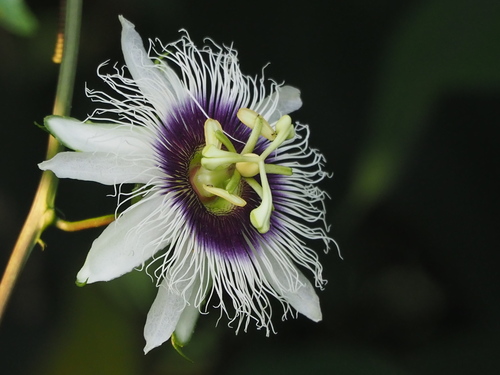
Each passionfruit flower opens for only one day, and its intricate corona was once read by early Christian missionaries as a symbol of the Passion of Christ, which gave the genus its name.
Frequently asked questions
How often should I water common passionfruit?
every 3 days. Common passionfruit (Passiflora edulis) is a vigorous tropical vine that drinks a lot during active growth and flowering, yet its roots rot quickly in soggy soil. Water deeply when the top few centimetres of potting mix feel dry, letting the excess drain freely from the pot. Water less in winter, when growth slows and cool soil holds moisture for longer. Always use a pot with drainage holes and a well-draining mix such as potting soil blended with perlite or bark. Push a finger 3 to 4 cm into the soil. If it feels dry, water thoroughly until water runs out of the drainage holes. If it still feels damp, wait a day or two. You can also lift the pot: a dry pot feels noticeably lighter than one that was just watered.
How much light does common passionfruit need?
Full sun (6-8 hours of direct sun per day). Common passionfruit (Passiflora edulis) is a sun-loving tropical vine that needs strong light to produce vigorous growth and abundant flowers. Plants in too much shade grow long, leggy stems with few flowers and little or no fruit. Give it the brightest, sunniest site you have, and rotate container plants occasionally so the vine grows evenly.
What temperature does common passionfruit like?
18–29 °C. Common passionfruit (Passiflora edulis) is a tropical vine that thrives in warm, frost-free conditions. Aim for daytime temperatures around 20 to 29°C and keep it above 10°C at night. Growth slows sharply below about 15°C and the vine is damaged by any frost.
Is common passionfruit toxic to cats and dogs?
It is safe for cats and dogs. The fruit pulp and seeds are edible for people, but the unripe fruit, leaves and seeds contain cyanogenic compounds and can cause stomach upset if eaten in quantity; ASPCA does not list it as toxic to pets, though cats and dogs may chew leaves and experience mild digestive upset.
What are the most common problems of common passionfruit?
Fusarium wilt: Soil-borne fungus causing yellowing and sudden wilting of vines; avoid replanting in infected soil and use grafted stock. Passion vine caterpillar damage: Heliconius butterfly larvae chew leaves and can defoliate young plants; hand-pick larvae and eggs. Spider mites: Dry, hot conditions lead to stippled leaves and webbing; spray leaves with water and use insecticidal soap. Root-knot nematodes: Cause galls on roots and stunted growth in sandy soils; rotate sites and use resistant rootstock. Woodiness virus (Cowpea mild mottle or Passionfruit woodiness virus): Causes mottled leaves, distorted fruit and reduced yield; remove infected plants and control aphids that spread it.
When should I repot common passionfruit?
Every 1-2 years for young vines; every 2-3 years once established in a large container. Passiflora edulis has fleshy, fairly coarse roots that resent disturbance and waterlogging. Repot when the vine is actively growing, so it can recover quickly. Always use a container with several large drainage holes.
How do I propagate common passionfruit?
Stem cuttings, Seed, Layering. Choose a healthy, semi-hardwood stem about 10 to 15 cm long with at least two or three nodes, taken from a vigorous non-flowering shoot of Passiflora edulis. Cut just below a node with clean, sharp secateurs, then remove the lower leaves so only one or two leaves remain at the top. Dip the cut end in a rooting hormone powder and tap off the excess. Insert the cutting into a pot filled with moist, free-draining mix of peat-free compost and perlite or sharp sand. Cover loosely with a clear plastic bag or place in a propagator, keep it bright but out of direct sun, and hold the temperature around 22 to 25 °C. Check every week and mist lightly if the mix dries out. Roots usually form in four to six weeks; gently tug the cutting to test for resistance before potting on.
How this guide was written
Verdiss writes each guide with AI from botanical references and checks the species against iNaturalist and Plants of the World Online (Kew). Readers can rate every guide in the app.
Sources
Verdiss's information is for general guidance. Never eat or use a plant as medicine based on an app: ask a professional.