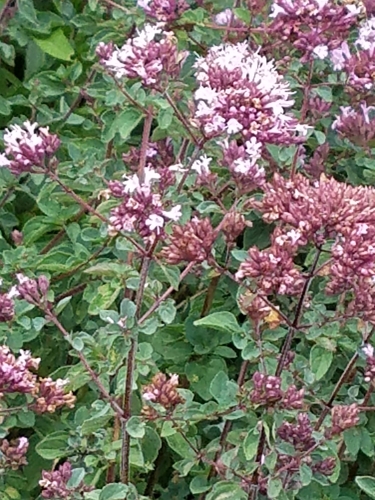
How to care for Oregano
Watering
Oregano (Origanum vulgare) is a Mediterranean herb adapted to dry, rocky soil. It grows best when the soil is allowed to dry out between waterings, and it is far more likely to die from wet roots than from thirst. Water deeply, then wait until the top few centimetres of soil are dry before watering again. Good drainage matters as much as the amount of water.
Does it need water today?
Push a finger 2 to 3 cm into the soil. If it feels dry, water the plant. If it feels damp, wait a few days. For pots, lift the container: a dry pot feels noticeably light, while a wet one feels heavy. Healthy oregano leaves are firm and aromatic; slightly soft, drooping stems can mean thirst, but the soil should be checked first.
Water at the base of the plant in the morning so the foliage dries quickly. Oregano tolerates a short dry spell far better than soggy soil, so when in doubt, wait one more day.
Overwatering
Oregano comes from dry Mediterranean hillsides, where its roots are adapted to fast-draining soil. Constantly wet soil suffocates the roots and encourages root rot, which is the most common way indoor oregano dies. Its woody stems and small leaves are not built to store water, so excess moisture quickly causes harm.
Symptoms: Yellowing lower leaves, a mushy or blackened stem base, a sour or musty smell from the soil, fungus gnats, and wilting even though the soil is wet.
Solutions: Stop watering and let the soil dry out. Remove the plant from its pot, cut away any black, mushy roots with clean scissors, and repot into fresh, gritty, well-draining soil in a container with drainage holes. Cut back damaged stems and move the plant to a brighter spot to speed drying.
Underwatering
Oregano handles drought well once established, but very dry soil for long periods stresses the plant. Its small leaves are a way of reducing water loss, so when the soil becomes bone dry, the plant can quickly lose its vigour. Potted oregano dries out faster than plants in the ground.
Symptoms: Crispy, browning leaf edges, leaves dropping, stems becoming woody and brittle, and soil pulling away from the pot sides.
Solutions: Water thoroughly until it drains from the pot base, then check again in a day or two. If the soil is hydrophobic and water runs off, soak the pot in a basin of water for 20 minutes. Trim dead stems and expect new growth from the base within a few weeks.
Sunlight
Oregano (Origanum vulgare) needs strong, direct sunlight to develop its full aroma and compact growth. Plants grown in too little light become leggy, pale, and less flavourful. Outdoors, choose the sunniest, most open spot in the garden, and indoors, give it the brightest location you have.
- Ideal: Full sun · 6-8 hours of direct sun per day
- Tolerates: Full sun, Partial sun
- Best spot in a room: At the window
- Artificial light: If natural light is weak, use a full-spectrum LED grow light placed 15 to 30 cm above the plant, running 12 to 14 hours per day. Adjust the height if leaves bleach or curl.
Too little light
Oregano originates in sunny, open Mediterranean habitats, where strong light keeps its stems short and its essential oils concentrated. In dim conditions it stretches toward the light and produces weaker flavour, so shade quickly reduces both its shape and its usefulness in the kitchen.
Symptoms: Long, thin, floppy stems with wide spacing between leaves, pale green foliage, reduced flavour, and few or no flowers.
Solutions: Move the plant to the sunniest window, ideally south-facing, or outdoors to a sunny spot. Rotate the pot weekly so all sides receive light. Pinch back leggy stems to encourage bushier growth once the light improves.
Too much sun
Oregano tolerates intense sun well, so scorching is rare outdoors. Indoors, however, a plant that has been kept in dim light and then moved into a hot window or greenhouse can suffer leaf burn, since its foliage has not been acclimatised to the stronger light.
Symptoms: Bleached or white patches on leaves, crispy brown edges, and leaves curling inward during the hottest hours.
Solutions: Acclimatise the plant gradually over 7 to 10 days, starting with a few hours of sun. Provide light shade during the hottest afternoons in midsummer, especially above 30°C. Water a little more often on very hot days, but keep the soil from becoming waterlogged.
Temperature
Oregano (Origanum vulgare) is a hardy perennial herb that grows best in mild, sunny conditions. It tolerates a wide range of temperatures once established, but it produces the most fragrant leaves in moderate warmth with plenty of sun. Keep it outdoors in the garden or on a sunny patio whenever frost is not a threat.
- Ideal: 10–25 °C
- Tolerates: -20–35 °C
- Hardiness zones: 5-9
Fertilizing
Common oregano thrives in lean, well-drained soil and actually produces more intense flavour when it is not overfed. Too much nitrogen creates lush, watery growth with weaker essential oils. Fertilizing is a light, occasional task, not a regular necessity.
- Slow-release fertilizer: Apply a light dose of slow-release organic fertilizer once a year in early spring, or simply top-dress with 2 cm of compost. In rich garden soil this is often not needed.
- Compost or well-rotted manure, applied lightly, Balanced organic liquid fertilizer diluted to half strength, Slow-release granular fertilizer with balanced NPK, used sparingly
Soil
Oregano (Origanum vulgare) grows best in poor to moderately rich, alkaline to neutral soil that drains quickly. Rich, moisture-retentive soil produces lush leaves but weak aroma, so keep the mix lean and gritty.
- Gritty herb mix: Two parts peat-free potting compost, two parts horticultural grit or perlite, and one part coarse sand or pumice
- Mediterranean garden soil: Native topsoil mixed with about one third grit and a handful of crushed limestone or garden lime if the soil is acidic
- Cactus or succulent mix: Commercial cactus compost mixed with extra perlite, suitable for pots where oregano is kept lean and drought-tolerant
- pH 6.5–8
Repotting
Oregano (Origanum vulgare) has a fibrous, spreading root system and dislikes sitting in wet soil. Repot in spring or early autumn, when growth is steady and the plant can recover quickly.
- How often: Every 2-3 years, or when roots fill the pot
- New pot: Move up only one size, about 2-5 cm wider than the current pot, with drainage holes in the base
- Repotting season: Spring, Autumn
How to repot
- Tip the pot on its side and gently tap the edges until the root ball loosens
- Ease the plant out by holding the base of the stems, not pulling on the top growth
- Loosen the outer roots with your fingers and trim any brown, mushy roots with clean scissors
- Set the root ball in the new pot so the top of the soil sits about 1 cm below the rim
- Fill around the roots with the new mix and firm it gently with your fingertips to remove large air pockets
- Water thoroughly until it drains from the base, then place the pot in bright light out of strong midday sun
Pruning
Use clean, sharp secateurs and cut just above a leaf pair or a side shoot, never into bare old wood. Avoid cutting more than about a third of the plant at one time, so it can recover quickly.
Pruning season: Spring, Summer, Autumn
How to prune
- In late spring, once new growth is 8 to 10 cm tall, snip the top few centimetres off each stem just above a pair of leaves.
- Through summer, harvest regularly by cutting stems back by about a third, which doubles as light pruning.
- When flower buds appear, pinch or cut them off so the plant keeps putting energy into leaves.
- In autumn, after the first light frost, cut the stems back to about 5 cm above the ground to tidy the plant and remove old growth.
- In early spring, remove any remaining dead wood at the base of the clump so fresh shoots can emerge easily.
Propagation
Division of established clumps · Spring, Autumn
- Wait until a mature oregano clump is at least three years old and looks crowded, with woody centres.
- In early spring, when new shoots are about 5 cm tall, dig up the whole clump with a garden fork, lifting from outside the root ball.
- Shake off loose soil and pull or cut the clump into sections, each with several shoots and healthy roots.
- Replant the sections at the same depth they grew before, spacing them about 30 cm apart, and water them well.
Stem cuttings · Spring, Summer
- Choose non-flowering stems about 10 cm long from a healthy plant, cutting just below a leaf node with clean secateurs.
- Strip the leaves from the lower half of each cutting and keep the cuttings moist until planting.
- Dip the cut ends in rooting hormone if you have it, then push them into a pot of moist, gritty potting mix.
- Cover the pot with a clear bag to hold humidity, place it in bright indirect light at about 18 to 22 °C, and check for roots after three to four weeks.
Seed sowing · Spring
- Sow Origanum vulgare seed indoors six to eight weeks before the last spring frost, since the seed is very fine and slow to germinate.
- Scatter the seed on the surface of a seed tray filled with fine, moist compost and press it gently without covering it deeply, as light helps germination.
- Keep the tray at about 18 to 21 °C in bright light, and mist the surface whenever it starts to dry.
- When seedlings have two or three true leaves, transplant them into individual pots, then harden them off for a week before planting outdoors.
Oregano spreads by underground runners, so division is the surest way to keep the plant compact. Water cuttings lightly, since soggy compost is the most common cause of failure.
About Oregano
Also known as: Wild marjoram, Pot marjoram, Winter marjoram
- Plant type: herb, subshrub
- Lifespan: perennial
- Distribution: Native to temperate Europe, temperate Asia and the Mediterranean region, from the Atlantic coasts eastward to the Himalaya.
- Mature height: 20-80 cm
- Bloom time: Mid to late summer
Pets · People
Pets: Safe · People: Safe. Oregano is not listed as toxic by the ASPCA; culinary amounts are harmless, but large quantities of the concentrated essential oil may irritate the stomach of pets and children.
Common problems
- Powdery mildew: White powdery coating on leaves in humid, crowded conditions; improve airflow and water at the base.
- Root rot: Waterlogged soil causes blackened, mushy roots; use gritty soil and pots with drainage holes.
- Woody, leggy growth: Plants become straggly and lose flavour after years without pruning; divide or replace every few years.
- Spider mites: Fine webbing and stippled leaves in hot, dry indoor air; mist lightly and wash leaves with water.
- Weak flavour: Low light or rich fertiliser reduces essential oil content, so the leaves taste bland.
Uses
Oregano is widely used as a culinary herb, especially in Mediterranean, Mexican and Italian cooking, where dried leaves season tomato dishes, grilled meats and pizza. It has long been used in folk medicine as an infusion and its essential oil, rich in carvacrol and thymol, is used in traditional remedies and natural preservatives.
Is it edible?
Leaves and flowering tops are edible, fresh or dried; the flavour is strongest just before flowering.
History & legends
Ancient Greek and Roman physicians prescribed oregano for ailments ranging from digestive complaints to snakebite, and Greeks associated it with happiness and honour. Romans reportedly rubbed it on mourners and used garlands of it at weddings. In the Middle Ages it became a common flavouring in European kitchens.
Did you know?
The name comes from the Greek words oros (mountain) and ganos (joy or brightness), meaning joy of the mountains.
Frequently asked questions
How often should I water Oregano?
every 10 days. Oregano (Origanum vulgare) is a Mediterranean herb adapted to dry, rocky soil. It grows best when the soil is allowed to dry out between waterings, and it is far more likely to die from wet roots than from thirst. Water deeply, then wait until the top few centimetres of soil are dry before watering again. Good drainage matters as much as the amount of water. Push a finger 2 to 3 cm into the soil. If it feels dry, water the plant. If it feels damp, wait a few days. For pots, lift the container: a dry pot feels noticeably light, while a wet one feels heavy. Healthy oregano leaves are firm and aromatic; slightly soft, drooping stems can mean thirst, but the soil should be checked first.
How much light does Oregano need?
Full sun (6-8 hours of direct sun per day). Oregano (Origanum vulgare) needs strong, direct sunlight to develop its full aroma and compact growth. Plants grown in too little light become leggy, pale, and less flavourful. Outdoors, choose the sunniest, most open spot in the garden, and indoors, give it the brightest location you have.
What temperature does Oregano like?
10–25 °C. Oregano (Origanum vulgare) is a hardy perennial herb that grows best in mild, sunny conditions. It tolerates a wide range of temperatures once established, but it produces the most fragrant leaves in moderate warmth with plenty of sun. Keep it outdoors in the garden or on a sunny patio whenever frost is not a threat.
Is Oregano toxic to cats and dogs?
It is safe for cats and dogs. Oregano is not listed as toxic by the ASPCA; culinary amounts are harmless, but large quantities of the concentrated essential oil may irritate the stomach of pets and children.
What are the most common problems of Oregano?
Powdery mildew: White powdery coating on leaves in humid, crowded conditions; improve airflow and water at the base. Root rot: Waterlogged soil causes blackened, mushy roots; use gritty soil and pots with drainage holes. Woody, leggy growth: Plants become straggly and lose flavour after years without pruning; divide or replace every few years. Spider mites: Fine webbing and stippled leaves in hot, dry indoor air; mist lightly and wash leaves with water. Weak flavour: Low light or rich fertiliser reduces essential oil content, so the leaves taste bland.
When should I repot Oregano?
Every 2-3 years, or when roots fill the pot. Oregano (Origanum vulgare) has a fibrous, spreading root system and dislikes sitting in wet soil. Repot in spring or early autumn, when growth is steady and the plant can recover quickly.
How do I propagate Oregano?
Division of established clumps, Stem cuttings, Seed sowing. Wait until a mature oregano clump is at least three years old and looks crowded, with woody centres. In early spring, when new shoots are about 5 cm tall, dig up the whole clump with a garden fork, lifting from outside the root ball. Shake off loose soil and pull or cut the clump into sections, each with several shoots and healthy roots. Replant the sections at the same depth they grew before, spacing them about 30 cm apart, and water them well.
How this guide was written
Verdiss writes each guide with AI from botanical references and checks the species against iNaturalist and Plants of the World Online (Kew). Readers can rate every guide in the app.
Sources
Verdiss's information is for general guidance. Never eat or use a plant as medicine based on an app: ask a professional.