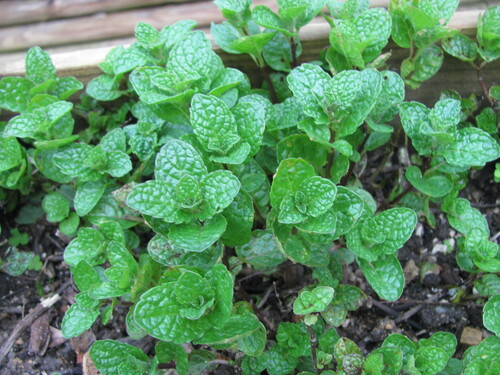
How to care for spearmint
Watering
Spearmint (Mentha spicata) likes evenly moist soil that never dries out completely, but it hates sitting in water. Its shallow roots dry out quickly in warm rooms, so check it often in summer and keep the pot draining freely. Water when the top 2 cm of soil feels dry, and pour until a little drains out the bottom. Empty saucers after 30 minutes so the roots do not rot.
Does it need water today?
Push a finger 2 cm into the soil. If it feels dry and crumbly, water now. If it feels cool and damp, wait a day. Leaves that look limp or curled at the edges mean the plant is thirsty, while the pot feeling very light also signals it needs water.
Spearmint is a thirsty herb, so water it before the leaves wilt. Mint grown in a pot needs more frequent watering than mint in the ground, especially on warm, windy days.
Overwatering
Spearmint roots need oxygen, and its fine root system is prone to rot when the soil stays waterlogged. Spearmint is also vigorous and grows fast, so excess water pushes soft, lush growth that is more susceptible to fungal disease.
Symptoms: Yellowing lower leaves, a sour or musty smell from the soil, black or mushy roots, and wilting even though the soil is wet.
Solutions: Stop watering and let the top 3 cm dry out. Remove the plant from the pot, trim any black or mushy roots with clean scissors, and repot into fresh, well-draining potting mix in a pot with drainage holes.
Underwatering
Spearmint has thin leaves with a high water content, so it wilts quickly when the soil dries out. Repeated drying also makes the stems woody and reduces the flavour of the leaves.
Symptoms: Drooping, crispy leaf edges, leaves that turn pale or brown, soil pulling away from the pot edges, and slow regrowth after pruning.
Solutions: Soak the pot in a tray of water for 20 minutes to rehydrate the root ball. Then water more often, and cut back any dead stems so new, tender growth can emerge.
Sunlight
Spearmint grows best with several hours of gentle light each day. Full, hot afternoon sun can scorch its leaves in summer, while too little light makes the stems thin, leggy and less aromatic. Rotate the pot every week so the plant grows evenly.
- Ideal: Partial sun · 4-6 hours of direct morning sun or bright filtered afternoon light
- Tolerates: Full sun, Bright, indirect light
- Best spot in a room: At the window
- Artificial light: If natural light is weak, use a full-spectrum LED grow light 15 to 20 cm above the plant for 12 to 14 hours a day. Mint grown under artificial light stays compact and produces more aromatic leaves.
Too little light
Spearmint uses light to build the oils that give its leaves their strong, fresh scent. In low light, it stretches toward any source of light and produces fewer leaves, so the flavour weakens.
Symptoms: Long, pale, floppy stems with wide spacing between leaves, small leaves, and a weaker minty smell.
Solutions: Move the plant closer to a bright east or south-facing window, or add an LED grow light. Prune the leggy stems back to a leaf node to encourage bushy regrowth.
Too much sun
Spearmint leaves are thin and delicate, so intense midday sun in summer can dry them out and bleach them. Stressed plants lose moisture faster and need more frequent watering.
Symptoms: Pale, bleached patches on the leaves, crispy brown edges, and wilting in the afternoon even when the soil is moist.
Solutions: Move the plant to a spot with light shade during the hottest part of the day, or place it behind a sheer curtain. Water more regularly while the plant recovers.
Temperature
Spearmint (Mentha spicata) is a hardy perennial that grows best in mild, moist conditions. It tolerates cold winters well because its roots go dormant underground, but it sulks in prolonged heat and dry air. Keep it in bright light with some afternoon shade in hot climates.
- Ideal: 15–24 °C
- Tolerates: -20–35 °C
- Hardiness zones: 4-9
Fertilizing
Spearmint is a light feeder that grows vigorously in average garden soil. Too much nitrogen produces lush, weak leaves with less of the sweet spearmint oil that gives the plant its flavor. Feed it lightly and focus on keeping the soil moist and rich in organic matter.
- Slow-release fertilizer: Once a year in early spring, as new growth begins
- Balanced all-purpose liquid fertilizer (for example 10-10-10) diluted to half strength, Compost or well-rotted manure, applied as a mulch or top dressing, Slow-release granular fertilizer with a balanced formula, Fish emulsion diluted to half strength for a gentle nitrogen boost
Soil
Spearmint grows best in fertile, moisture-retentive soil that still drains well, with a pH of about 6.0 to 7.5. Soggy, compacted soil causes root rot, so good drainage matters as much as moisture. Because it spreads by runners, planting it in a contained pot or sunken bucket is the simplest way to control it in the ground.
- Peat-free all-purpose potting mix with added perlite: Roughly 60% peat-free compost, 30% perlite or coarse grit, and 10% coir or fine bark
- Loam-based garden soil for in-ground planting: Garden loam mixed with about one-third compost to hold moisture while draining freely
- pH 6–7.5
Repotting
Spearmint (Mentha spicata) spreads by underground runners and quickly becomes root-bound. Repot in spring as new growth starts, using a container with drainage holes. Because it spreads so easily, many gardeners keep it in its own pot rather than in a shared herb bed.
- How often: Every 1-2 years, or sooner when roots fill the pot
- New pot: Go up only 2-5 cm in diameter each time; spearmint is vigorous and a pot that is too large stays wet and sour
- Repotting season: Spring, Autumn
How to repot
- Gently tip the pot on its side and ease the plant out, supporting the stems with one hand
- Loosen the outer roots with your fingers and trim any brown, mushy roots with clean scissors
- Remove about a third of the old soil from the root ball so fresh mix can reach the roots
- Place a layer of fresh mix in the new pot, set the plant at the same depth it grew before, and fill around it
- Firm the soil lightly, leaving 2 cm of space below the rim, and water thoroughly until it drains
- Keep the pot out of direct midday sun for about a week while roots settle
Pruning
Pinch or cut spearmint regularly during the growing season, removing the top third of the stems to encourage side shoots. Remove flower spikes as soon as they appear if you want the best leaf flavor.
Pruning season: Spring, Summer, Autumn
How to prune
- Wait until the plant is about 15 cm tall before the first harvest or trim.
- Use clean shears or your fingers to cut just above a leaf pair, removing no more than one third of the plant at a time.
- Pinch off flower buds as soon as they form to keep the plant leafy.
- In late autumn, cut the stems back to about 5 cm above the soil to tidy the plant for winter, which spearmint tolerates well in most climates.
- Remove any dead, damaged or diseased stems at any time of year and dispose of them in the trash, not the compost.
Propagation
Stem cuttings in water or moist soil · Spring, Summer
- Cut a 10 to 15 cm non-flowering stem tip from a healthy spearmint plant, just below a leaf node.
- Strip the lower two or three leaves so the cut section sits cleanly.
- Place the cutting in a glass of clean water on a bright windowsill, out of direct midday sun.
- Change the water every two to three days and wait for white roots, usually within 7 to 14 days.
- Once roots are 3 to 5 cm long, pot the cutting in moist, well-drained potting mix and keep it lightly moist until new leaves appear.
Division of established clumps · Spring, Autumn
- Water the spearmint plant the day before so the soil is moist and roots lift easily.
- Dig around the clump with a garden fork and lift the whole root mass.
- Pull or cut the clump into sections, each with several shoots and healthy roots.
- Replant the divisions at the same depth they were growing, spacing them about 30 cm apart.
- Water well and keep the soil evenly moist for the next two weeks while the roots settle.
Runner separation · Spring, Summer
- Look for thin, creeping underground runners that have produced their own shoots a short distance from the parent plant.
- Use a sharp spade to sever the runner between the parent and the new shoot.
- Dig up the new plant carefully, keeping as much of its root system as possible.
- Move it to its new spot or a pot filled with fresh, moist potting mix.
- Water regularly until it is established, since spearmint spreads quickly and can overtake a bed if left unchecked.
Spearmint roots readily from stem cuttings, so water propagation is the most reliable choice for beginners. Plant new spearmint in a container or a bottomless pot sunk into the ground, because its runners will otherwise spread through the whole garden.
About spearmint
Also known as: Garden mint, Common mint, Lamb mint, Spire mint
- Plant type: herb, perennial
- Lifespan: perennial
- Distribution: Native to Europe and western and central Asia, including the Mediterranean and parts of the Middle East.
- Mature height: 30 to 60 cm
- Bloom time: Mid to late summer
Pets · People
Pets: Safe · People: Safe. Not toxic to cats, dogs or children according to ASPCA; large quantities may upset a pet's stomach.
Common problems
- Mint rust: Orange pustules appear on the undersides of leaves in humid conditions; remove affected leaves and improve airflow.
- Spider mites: Fine webbing and stippled leaves appear in hot, dry indoor air; rinse plants and raise humidity.
- Root rot: Waterlogged soil causes blackened, mushy roots and wilting; use well-drained mix and let soil dry slightly.
- Aphids: Clusters on new shoots distort growth; wash off with water or use insecticidal soap.
- Invasive spreading: Rhizomes push beyond the intended area and crowd other plants; grow in a container or sunken pot.
Uses
Spearmint is widely used as a culinary herb in teas, salads, sauces, mint jelly, and with lamb, peas and new potatoes. Its essential oil flavours toothpaste, chewing gum and confectionery, and it has traditionally been used to aid digestion and soothe mild stomach upsets.
Is it edible?
Leaves and flowering tops are edible, fresh or dried; the essential oil is used as a flavouring in small amounts.
History & legends
Mint is named in Greek myth after the nymph Minthe, who was transformed into the plant by Persephone. Ancient Greeks and Romans used mint to scent rooms and bodies, and Romans spread it across their empire.
Did you know?
Spearmint's name comes from the spear-shaped leaves, and its flavour comes mainly from carvone, which differs from the menthol-rich peppermint.
Frequently asked questions
How often should I water spearmint?
every 4 days. Spearmint (Mentha spicata) likes evenly moist soil that never dries out completely, but it hates sitting in water. Its shallow roots dry out quickly in warm rooms, so check it often in summer and keep the pot draining freely. Water when the top 2 cm of soil feels dry, and pour until a little drains out the bottom. Empty saucers after 30 minutes so the roots do not rot. Push a finger 2 cm into the soil. If it feels dry and crumbly, water now. If it feels cool and damp, wait a day. Leaves that look limp or curled at the edges mean the plant is thirsty, while the pot feeling very light also signals it needs water.
How much light does spearmint need?
Partial sun (4-6 hours of direct morning sun or bright filtered afternoon light). Spearmint grows best with several hours of gentle light each day. Full, hot afternoon sun can scorch its leaves in summer, while too little light makes the stems thin, leggy and less aromatic. Rotate the pot every week so the plant grows evenly.
What temperature does spearmint like?
15–24 °C. Spearmint (Mentha spicata) is a hardy perennial that grows best in mild, moist conditions. It tolerates cold winters well because its roots go dormant underground, but it sulks in prolonged heat and dry air. Keep it in bright light with some afternoon shade in hot climates.
Is spearmint toxic to cats and dogs?
It is safe for cats and dogs. Not toxic to cats, dogs or children according to ASPCA; large quantities may upset a pet's stomach.
What are the most common problems of spearmint?
Mint rust: Orange pustules appear on the undersides of leaves in humid conditions; remove affected leaves and improve airflow. Spider mites: Fine webbing and stippled leaves appear in hot, dry indoor air; rinse plants and raise humidity. Root rot: Waterlogged soil causes blackened, mushy roots and wilting; use well-drained mix and let soil dry slightly. Aphids: Clusters on new shoots distort growth; wash off with water or use insecticidal soap. Invasive spreading: Rhizomes push beyond the intended area and crowd other plants; grow in a container or sunken pot.
When should I repot spearmint?
Every 1-2 years, or sooner when roots fill the pot. Spearmint (Mentha spicata) spreads by underground runners and quickly becomes root-bound. Repot in spring as new growth starts, using a container with drainage holes. Because it spreads so easily, many gardeners keep it in its own pot rather than in a shared herb bed.
How do I propagate spearmint?
Stem cuttings in water or moist soil, Division of established clumps, Runner separation. Cut a 10 to 15 cm non-flowering stem tip from a healthy spearmint plant, just below a leaf node. Strip the lower two or three leaves so the cut section sits cleanly. Place the cutting in a glass of clean water on a bright windowsill, out of direct midday sun. Change the water every two to three days and wait for white roots, usually within 7 to 14 days. Once roots are 3 to 5 cm long, pot the cutting in moist, well-drained potting mix and keep it lightly moist until new leaves appear.
How this guide was written
Verdiss writes each guide with AI from botanical references and checks the species against iNaturalist and Plants of the World Online (Kew). Readers can rate every guide in the app.
Sources
Verdiss's information is for general guidance. Never eat or use a plant as medicine based on an app: ask a professional.