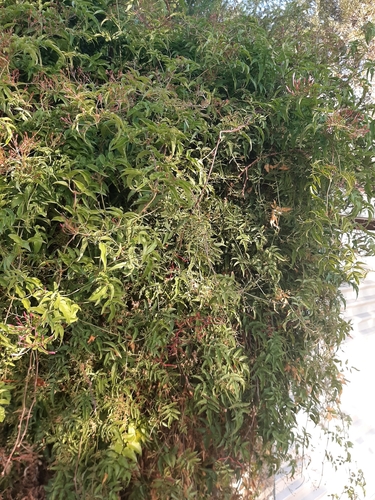
How to care for Pink jasmine
Watering
Pink jasmine (Jasminum polyanthum) is a vigorous climber from southwest China that likes its soil to dry out slightly between drinks. Water thoroughly when the top few centimetres of compost feel dry, letting excess drain away freely. Keep the root ball from sitting in water, since soggy roots quickly lead to rot. Water more during active growth in spring and summer, and cut back sharply in winter when growth slows.
Does it need water today?
Push a finger about 3 cm into the compost. If it feels dry, water the plant. If it feels cool and damp, wait a few days. You can also lift the pot: a light pot means it is dry and needs water, while a heavy pot means it still holds moisture.
Water slowly until liquid runs out of the drainage holes, then empty the saucer after 15 minutes. Pink jasmine flowers best when it is not stressed by drought or waterlogging.
Overwatering
Pink jasmine has fleshy, fibrous roots that suffocate in waterlogged compost, and it is more often lost to overwatering than to drought. Cool winter rooms slow the plant's drying, so soil that stays wet for too long invites root rot.
Symptoms: Yellowing leaves that drop, a soft or blackened stem base, a sour or musty smell from the compost, and wilting even though the soil is wet.
Solutions: Stop watering and let the compost dry out well. Gently remove the plant, trim away any black, mushy roots with clean scissors, and repot into fresh, free-draining compost in a pot with drainage holes. Water only when the top few centimetres are dry.
Underwatering
Pink jasmine has fine roots and thin leaves that lose water quickly in warm rooms and during flowering. Compost that dries completely pulls away from the pot edge, so water then runs straight through without being absorbed.
Symptoms: Limp, drooping stems, leaves that curl or turn crisp at the edges, buds that drop before opening, and compost that has shrunk away from the sides of the pot.
Solutions: Soak the pot in a sink of water for 30 minutes until the root ball is fully moist again. Then water regularly as the top layer dries. Mulch the surface with a layer of compost or bark to slow evaporation during hot spells.
Sunlight
Pink jasmine (Jasminum polyanthum) grows best in bright light that is not harsh midday sun. Indoors it needs a very bright spot to flower well, and outdoors it tolerates sun if the roots stay cool and moist. Too little light leads to long, leggy stems with few or no flowers.
- Ideal: Bright, indirect light · 4-6 hours of bright, filtered or indirect light daily, with a few hours of gentle morning or evening sun
- Tolerates: Full sun, Partial sun
- Best spot in a room: At the window
- Artificial light: If natural light is weak, use a full-spectrum LED grow light about 30 cm above the plant for 10 to 12 hours a day during winter. Keep the light on a timer so the plant gets a steady rhythm of day and night.
Too little light
Pink jasmine needs strong light to produce the fragrant flower clusters that make it prized. In dim rooms, it stretches toward any available light, and the energy it needs for buds is diverted into weak, pale growth.
Symptoms: Long, thin stems with wide spaces between leaves, pale or dark green leaves that are smaller than usual, and few or no flowers even in spring.
Solutions: Move the plant closer to a bright south, east, or west-facing window. Rotate the pot a quarter turn each week so growth stays even. Add a grow light during short winter days if the plant cannot be moved.
Too much sun
Pink jasmine can tolerate sun, but intense midday rays through glass or in open exposure can scorch its thin leaves. Hot, dry air combined with strong light also causes the compost to dry out rapidly.
Symptoms: Pale yellow or bleached patches on leaves, brown crispy edges, leaves curling inward, and flowers that fade or drop quickly.
Solutions: Move the plant back from the window or place a sheer curtain between it and the glass during the hottest part of the day. Outdoors, choose a spot with morning sun and afternoon shade, and check the compost more often in summer.
Temperature
Pink jasmine (Jasminum polyanthum) is a vigorous climbing vine from southwest China and Myanmar that tolerates cool conditions well. Keep it between 10 and 21°C for best flowering. Plants can handle brief frosts down to about -5°C once established, but young plants and container-grown vines need protection below freezing. Cool nights around 10°C in late winter and early spring trigger the heavy, fragrant bloom.
- Ideal: 10–21 °C
- Tolerates: -5–35 °C
- Hardiness zones: 9-11
Fertilizing
Pink jasmine is a heavy feeder during its spring growth and flowering period, when it puts out long, fast-growing stems. Feed it lightly through the rest of the year. Good nutrition supports strong vines and abundant, fragrant blooms. Avoid high-nitrogen feeds, which produce lots of leaves but few flowers.
- Slow-release fertilizer: Apply once a year in early spring, just as new growth starts, following the package rate.
- Balanced flowering vine fertilizer (such as 10-10-10 or 12-12-12), Slow-release granular fertilizer for shrubs and climbers, Well-rotted compost or leaf mould, Liquid tomato or rose feed for container plants
Soil
Pink jasmine needs a loose, fast-draining mix that holds some moisture without becoming waterlogged. Its fine roots suffocate in dense, soggy soil, which is the most common cause of decline.
- Peat-free potting mix with added perlite: Two parts peat-free multipurpose compost to one part perlite, with a small handful of coarse bark added per litre for extra air.
- Loam-based potting mix: Standard loam-based potting compost mixed with about 20 percent grit or perlite to keep roots from sitting wet.
- pH 6–7.5
Repotting
Pink jasmine (Jasminum polyanthum) is a vigorous climber that resents root disturbance, so repot only when needed and right after its flowering finishes in late spring.
- How often: Every 2-3 years, or when roots fill the pot
- New pot: Move up only 2-5 cm in pot diameter at each repotting, using a pot with drainage holes
- Repotting season: Spring
How to repot
- Tip the pot on its side and gently tap the edges until the root ball loosens
- Ease the plant out by the base of the stems, never by pulling on the top growth
- Tease out the outer roots with your fingers and trim any brown, mushy ones with clean scissors
- Set a layer of fresh mix in the new pot so the top of the root ball sits about 2 cm below the rim
- Fill around the roots with mix, firming lightly with your hands to remove large air pockets
- Water thoroughly until it runs out of the drainage holes, then reattach stems to the support
Pruning
Pink jasmine flowers on growth made the previous year, so prune just after the main flush of fragrant blooms finishes in late spring. Pruning in autumn or winter removes the flower buds that will open the following season.
Pruning season: Spring, Summer
How to prune
- In late spring, just after flowering finishes, remove any dead, damaged, or diseased stems back to healthy wood or to the base of the plant.
- Cut out up to a third of the oldest, thickest stems at ground level or to a strong shoot to open up the centre of the plant.
- Shorten long, straggling side shoots by about one third, cutting just above a healthy leaf joint or node.
- Tie the remaining main stems loosely to the support as you go, so they grow where you want them.
- Remove any suckers or stems growing away from the support, cutting them back to their origin.
- Water the plant well after pruning and feed lightly with a balanced fertiliser to encourage healthy regrowth.
Propagation
Stem cuttings · Spring, Summer
- In late spring or early summer, choose a healthy, non-flowering stem of the current season's growth about 10 cm long, ideally with three or four leaf nodes.
- Cut just below a node with clean, sharp secateurs, then strip the lower leaves so one or two pairs remain at the top.
- Optionally dip the cut end in rooting hormone powder, then tap off the excess.
- Insert the cutting about 4 cm deep into a pot of moist, free-draining mix, such as equal parts peat-free compost and perlite.
- Cover the pot loosely with a clear plastic bag held off the leaves with a stick, and place it somewhere bright but out of direct sun, at around 18 to 22°C.
- Keep the mix lightly moist. Roots usually form within four to six weeks; a gentle tug that meets resistance is a sign of rooting.
- Once rooted, remove the bag gradually over a week and pot the young plant into a container one size larger.
Layering · Spring, Summer
- Pick a long, flexible stem that grows close to the soil of the parent plant in a container or border.
- Make a shallow wound, about 2 cm long, on the underside of the stem at a node, using a clean knife, and remove any leaves at that point.
- Pin the wounded section into moist compost with a bent wire hairpin, leaving the tip of the stem above the surface.
- Keep the compost damp, and check for roots after about six to eight weeks.
- When roots are well established, cut the stem free from the parent plant and transplant the new plant.
Pink jasmine roots most reliably from semi-ripe cuttings taken in early summer, when the stems have firmed slightly but are still green and flexible. Keep the cutting humid but never soggy, as waterlogged stems rot before they root.
About Pink jasmine
Also known as: Pink jasmine, Chinese jasmine, White jasmine, Jasmine polyanthum
- Plant type: climber, shrub
- Lifespan: perennial
- Distribution: Native to the mountains of southwest China, Myanmar and northeast India.
- Mature height: 3-6 m when climbing, less when grown in a pot
- Bloom time: Late winter to spring
Pets · People
Pets: Safe · People: Mildly toxic. Jasminum polyanthum is not listed as a toxic plant by the ASPCA for cats or dogs. Berries and leaves may cause mild stomach upset if eaten in quantity, so keep it out of reach of curious children and pets.
Common problems
- Bud drop: Flower buds fall off when the plant is moved, overwatered or kept too warm in winter. Keep conditions stable and cool during bud formation.
- Aphids: Aphids cluster on soft new shoots and flower stalks in spring. Wash them off with water or use an insecticidal soap.
- Scale insects: Brown scale insects attach to stems and leaf undersides. Scrape them off and treat with horticultural oil.
- No flowers: Plants that are too shaded, overfed with nitrogen or pruned at the wrong time produce foliage but few blooms.
- Root rot: Waterlogged compost quickly causes root rot and yellowing leaves. Use free-draining compost and empty saucers after watering.
Uses
Mainly ornamental, grown for its fragrant flowers in gardens, conservatories and as a training plant over pergolas, walls and trellises. In parts of Asia its flowers are used to scent tea and as a decorative offering, and it is valued in traditional medicine in its native range.
Is it edible?
Not edible in any meaningful sense; the berries and leaves are best avoided.
History & legends
Pink jasmine has been cultivated in China for centuries and reached European gardens in the nineteenth century, where it became a favourite conservatory plant. Its name reflects the clusters of flowers and the sweet scent associated with jasmines across many cultures.
Did you know?
The flowers release their scent mainly at night, when their pollinating moths are active, and the fragrance can fill a whole room or garden terrace after dusk.
Frequently asked questions
How often should I water Pink jasmine?
every 7 days. Pink jasmine (Jasminum polyanthum) is a vigorous climber from southwest China that likes its soil to dry out slightly between drinks. Water thoroughly when the top few centimetres of compost feel dry, letting excess drain away freely. Keep the root ball from sitting in water, since soggy roots quickly lead to rot. Water more during active growth in spring and summer, and cut back sharply in winter when growth slows. Push a finger about 3 cm into the compost. If it feels dry, water the plant. If it feels cool and damp, wait a few days. You can also lift the pot: a light pot means it is dry and needs water, while a heavy pot means it still holds moisture.
How much light does Pink jasmine need?
Bright, indirect light (4-6 hours of bright, filtered or indirect light daily, with a few hours of gentle morning or evening sun). Pink jasmine (Jasminum polyanthum) grows best in bright light that is not harsh midday sun. Indoors it needs a very bright spot to flower well, and outdoors it tolerates sun if the roots stay cool and moist. Too little light leads to long, leggy stems with few or no flowers.
What temperature does Pink jasmine like?
10–21 °C. Pink jasmine (Jasminum polyanthum) is a vigorous climbing vine from southwest China and Myanmar that tolerates cool conditions well. Keep it between 10 and 21°C for best flowering. Plants can handle brief frosts down to about -5°C once established, but young plants and container-grown vines need protection below freezing. Cool nights around 10°C in late winter and early spring trigger the heavy, fragrant bloom.
Is Pink jasmine toxic to cats and dogs?
It is safe for cats and dogs. Jasminum polyanthum is not listed as a toxic plant by the ASPCA for cats or dogs. Berries and leaves may cause mild stomach upset if eaten in quantity, so keep it out of reach of curious children and pets.
What are the most common problems of Pink jasmine?
Bud drop: Flower buds fall off when the plant is moved, overwatered or kept too warm in winter. Keep conditions stable and cool during bud formation. Aphids: Aphids cluster on soft new shoots and flower stalks in spring. Wash them off with water or use an insecticidal soap. Scale insects: Brown scale insects attach to stems and leaf undersides. Scrape them off and treat with horticultural oil. No flowers: Plants that are too shaded, overfed with nitrogen or pruned at the wrong time produce foliage but few blooms. Root rot: Waterlogged compost quickly causes root rot and yellowing leaves. Use free-draining compost and empty saucers after watering.
When should I repot Pink jasmine?
Every 2-3 years, or when roots fill the pot. Pink jasmine (Jasminum polyanthum) is a vigorous climber that resents root disturbance, so repot only when needed and right after its flowering finishes in late spring.
How do I propagate Pink jasmine?
Stem cuttings, Layering. In late spring or early summer, choose a healthy, non-flowering stem of the current season's growth about 10 cm long, ideally with three or four leaf nodes. Cut just below a node with clean, sharp secateurs, then strip the lower leaves so one or two pairs remain at the top. Optionally dip the cut end in rooting hormone powder, then tap off the excess. Insert the cutting about 4 cm deep into a pot of moist, free-draining mix, such as equal parts peat-free compost and perlite. Cover the pot loosely with a clear plastic bag held off the leaves with a stick, and place it somewhere bright but out of direct sun, at around 18 to 22°C. Keep the mix lightly moist. Roots usually form within four to six weeks; a gentle tug that meets resistance is a sign of rooting. Once rooted, remove the bag gradually over a week and pot the young plant into a container one size larger.
How this guide was written
Verdiss writes each guide with AI from botanical references and checks the species against iNaturalist and Plants of the World Online (Kew). Readers can rate every guide in the app.
Sources
Verdiss's information is for general guidance. Never eat or use a plant as medicine based on an app: ask a professional.