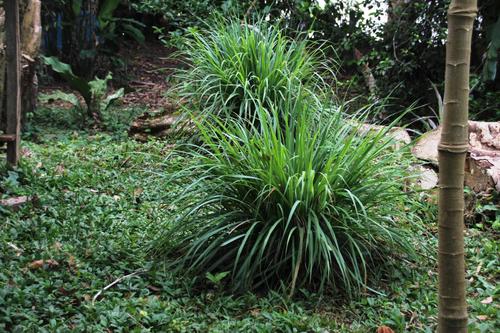
How to care for Lemon Grass
Watering
Lemon Grass (Cymbopogon citratus) is a tropical grass that loves moisture at its roots but hates sitting in soggy soil. Water thoroughly so that water runs out of the drainage holes, then let the top few centimetres dry before watering again. Its thick clump of leaves loses water quickly in warm, bright rooms, so it needs more frequent watering in summer and much less in winter.
Does it need water today?
Push your finger 3 cm (about 1 inch) into the soil. If it feels dry, water now. If it feels damp, wait a day or two. You can also lift the pot: a dry pot feels light, while a freshly watered pot feels heavy.
Lemon Grass prefers a steady routine over sudden swings. Letting the pot dry out completely stresses the stalks, causing them to brown at the tips, and a long soak after drought can make the roots rot.
Overwatering
Lemon Grass grows from a fleshy, bulb-like base that stores little water and rots quickly in cold, wet soil. Its dense stems also trap moisture around the crown, which makes fungal and bacterial rot more likely when the soil stays soggy.
Symptoms: Yellowing leaves starting at the base, a soft or mushy stem base that pulls away easily, a sour or rotten smell from the soil, and fungus gnats hovering around the pot.
Solutions: Stop watering and let the soil dry out for several days. Tip the plant out, cut away any soft, brown or smelly roots and bulb tissue with clean scissors, then repot in fresh, gritty potting mix in a pot with drainage holes. Water only when the top 3 cm are dry.
Underwatering
Lemon Grass has long, fibrous roots that hold some moisture, but its tall, leafy growth transpires water fast in heat and dry indoor air. When the soil dries out completely, the plant cannot replace lost water in its stalks.
Symptoms: Leaf tips turning brown and crispy, leaves curling inward or becoming limp, slow growth, and soil pulling away from the pot edges.
Solutions: Soak the pot in a tray of water for 30 minutes until the soil is evenly moist again. Trim off dead brown leaf tips, then resume regular watering. Mist the leaves occasionally in dry rooms to reduce water loss.
Sunlight
Lemon Grass is native to warm, sunny tropical regions, where strong light drives the production of its fragrant oils. Bright, direct sun keeps its leaves upright, dense and strongly scented, while weak light makes it tall, thin and floppy.
- Ideal: Full sun · 6-8 hours of direct sun per day
- Tolerates: Full sun, Partial sun, Bright, indirect light
- Best spot in a room: At the window
- Artificial light: If natural light is weak, use a full-spectrum LED grow light placed 20 to 30 cm above the plant for 12 to 14 hours a day. Keep it on a timer so the plant gets a consistent schedule.
Too little light
Lemon Grass uses sunlight to build dense, aromatic leaves. Without enough light, it cannot store energy, so its growth becomes weak and stretched toward any available brightness.
Symptoms: Tall, pale, thin stalks that flop over, few new leaves, reduced lemon scent, and slow or stalled growth.
Solutions: Move the pot to the sunniest window available, ideally south- or west-facing. Rotate it weekly so all sides receive light, and add a grow light if winter days are short.
Too much sun
Although Lemon Grass loves sun, it is adapted to tropical sun with humidity and regular moisture. Sudden exposure to intense, hot direct light through glass can scorch leaves that were grown in shade or moved too quickly.
Symptoms: Bleached yellow or white patches on leaves, crispy brown edges, and leaves that look dry even when the soil is moist.
Solutions: Gradually acclimatise the plant over one to two weeks by increasing sun exposure each day. Provide light shade during the hottest afternoon hours in midsummer, and water more often when it is very hot.
Temperature
Lemon grass (Cymbopogon citratus) is a tropical grass that loves warmth and sun. It grows best between 18°C and 30°C and stops growing when nights drop below about 10°C. Keep it outdoors in summer and bring pots indoors before the first cold nights.
- Ideal: 18–30 °C
- Tolerates: 5–38 °C
- Hardiness zones: 10-12
Fertilizing
Lemon grass is a heavy feeder for leaves, since the stalks and leaves are the harvested part. Nitrogen supports strong green growth, while overly rich feeding can weaken the stalks and reduce their flavor. Feed in the active growing season and stop in autumn so the plant can slow down.
- Slow-release fertilizer: Once a year in spring, when new shoots appear, apply a light dose of slow-release granules. Skip this if the soil is already rich in compost.
- Balanced liquid fertilizer such as 10-10-10 or a general-purpose vegetable feed, Nitrogen-rich fertilizer such as fish emulsion or blood meal for leafy growth, Well-rotted compost or aged manure as a top dressing
Soil
Lemon grass (Cymbopogon citratus) needs rich, loose soil that drains well but keeps some moisture between waterings. Its thick roots rot quickly in heavy, waterlogged ground, so drainage matters more than fertility alone. Aim for slightly acidic to neutral soil.
- Loamy potting mix with perlite: Roughly 2 parts peat-free potting soil, 1 part perlite, and 1 part coarse sand or compost
- Garden loam for outdoor beds: Garden soil amended with compost and coarse sand to lighten heavy clay
- Sandy garden soil: Sand mixed with leaf mould or compost for added nutrients and water retention
- pH 5.5–7.5
Repotting
Lemon grass (Cymbopogon citratus) grows in dense, fast-expanding clumps with thick, fibrous roots. Repot when the clump is crowded, roots circle the pot or push out of drainage holes, or growth slows despite warm weather. Divide the clump at the same time to refresh it.
- How often: every 1-2 years, or when roots fill the pot
- New pot: Move up only 2-5 cm in diameter at a time; choose a wide, heavy pot with drainage holes, since lemon grass clumps spread outward and can tip over in lightweight containers.
- Repotting season: Spring, Summer
How to repot
- Tip the pot on its side and gently squeeze the sides to loosen the root ball.
- Slide the clump out. If it is stuck, run a knife around the inside edge of the pot.
- Shake off loose soil and examine the roots. Trim any brown, mushy, or dead roots with clean scissors.
- To divide, pull or cut the clump into sections, each with several healthy stalks and firm roots.
- Place a layer of fresh soil in the new pot so the crown sits just below the rim.
- Set the clump or divisions in the pot, spacing them so they have room to grow outward.
- Fill around the roots with soil, firm it gently with your hands, and leave a 2 cm gap at the top for watering.
- Water thoroughly until it drains from the holes, then set the pot in bright, indirect light.
Pruning
Lemon grass grows from a dense base of leaf sheaths, so cut above the base rather than into the crown. Never remove more than about one third of the plant's foliage at one time, because the plant relies on its leaves to rebuild energy.
Pruning season: Spring, Summer, Autumn
How to prune
- Remove any dead, brown, or flattened leaves at the base of the clump by pulling them gently away or cutting them off close to the soil.
- Cut the outer tall stalks at about 15 to 20 cm above soil level, using a clean, angled cut to shed water.
- Harvest stalks by cutting the outer leaves first, leaving the younger inner stems to keep growing.
- Once or twice a year, in spring, cut the entire clump back to about 15 cm if it has become woody or untidy, then feed and water it to encourage regrowth.
- Clear fallen leaves and debris from around the base each autumn to keep the crown dry over winter.
Propagation
Division of clumps · Spring, Summer
- Wait until the mature clump is at least two years old and dense, usually in spring once new growth starts.
- Dig up the whole clump with a spade, shaking off loose soil so you can see the root mass.
- Cut the clump into sections with a sharp spade or knife, making sure each section has several shoots and healthy roots.
- Trim the leaves back by about one third to reduce water loss while the roots reestablish.
- Replant each division at the same depth it grew before, in moist, fertile, well-drained soil, and water it in well.
Stem cuttings in water · Spring, Summer
- Choose a healthy, thick stalk from a mature plant and cut it just above a leaf node, leaving at least 15 cm of stalk.
- Remove the outer dry leaves so the lower part of the stalk is bare.
- Place the stalk in a clean glass of water so the bottom nodes sit in the water and the top leaves stay above it.
- Set the glass in bright, indirect light at about 20 to 25 °C and change the water every few days.
- When roots are 3 to 5 cm long, usually in one to three weeks, pot the cutting in moist potting mix.
Lemon grass roots very easily, so a stalk with a few nodes is often enough to start a new plant. Keep cuttings warm, since cold, wet conditions cause rot more often than any other problem.
About Lemon Grass
Also known as: Lemongrass, West Indian lemongrass, Fever grass, Cochin grass
- Plant type: herb, grass
- Lifespan: perennial
- Distribution: Native to tropical Asia, likely originating in India and Sri Lanka, and cultivated across tropical and subtropical regions.
- Mature height: 1-2 m
- Bloom time: Rarely flowers in cultivation outside the tropics; flowering is uncommon indoors
Pets · People
Pets: Safe · People: Safe. Not listed as toxic by the ASPCA; generally considered non-toxic to cats, dogs, and children, though large amounts of any plant material may upset a pet's stomach.
Common problems
- Brown leaf tips: Usually caused by dry air, uneven watering, or fertilizer salt buildup; trim tips and water more evenly.
- Yellowing leaves: Often a sign of overwatering or poor drainage that leads to root rot.
- Thrips and spider mites: Sap-feeding pests that thrive in hot, dry indoor conditions; check leaf undersides and wash them off with water.
- Cold damage: Leaves blacken and die after exposure to frost or prolonged temperatures below 10°C (50°F).
- Leggy, weak growth: Caused by insufficient light, leading to thin, floppy stems; move the plant to a sunnier spot.
Uses
Lemongrass is a staple of Southeast Asian cuisine, used in soups, curries, teas, and marinades. Its essential oil is widely used in perfumery, soaps, cosmetics, and natural insect repellents, and it is a major commercial crop for citral extraction.
Is it edible?
The lower white or pale green stem bases and tender inner leaves are edible; bruise or slice them before cooking. Tough outer leaves are usually removed or used only to infuse liquids.
History & legends
Lemongrass has been used in Asian traditional medicine for centuries, often brewed as a tea for digestion and fever. It spread from India and Sri Lanka across Southeast Asia, Africa, and the Americas through trade and cultivation, and it appears in many regional folk remedies and culinary traditions.
Did you know?
The leaves contain citral, the same compound that gives lemon peel its scent, so crushing a leaf releases a strong lemon aroma.
Frequently asked questions
How often should I water Lemon Grass?
every 4 days. Lemon Grass (Cymbopogon citratus) is a tropical grass that loves moisture at its roots but hates sitting in soggy soil. Water thoroughly so that water runs out of the drainage holes, then let the top few centimetres dry before watering again. Its thick clump of leaves loses water quickly in warm, bright rooms, so it needs more frequent watering in summer and much less in winter. Push your finger 3 cm (about 1 inch) into the soil. If it feels dry, water now. If it feels damp, wait a day or two. You can also lift the pot: a dry pot feels light, while a freshly watered pot feels heavy.
How much light does Lemon Grass need?
Full sun (6-8 hours of direct sun per day). Lemon Grass is native to warm, sunny tropical regions, where strong light drives the production of its fragrant oils. Bright, direct sun keeps its leaves upright, dense and strongly scented, while weak light makes it tall, thin and floppy.
What temperature does Lemon Grass like?
18–30 °C. Lemon grass (Cymbopogon citratus) is a tropical grass that loves warmth and sun. It grows best between 18°C and 30°C and stops growing when nights drop below about 10°C. Keep it outdoors in summer and bring pots indoors before the first cold nights.
Is Lemon Grass toxic to cats and dogs?
It is safe for cats and dogs. Not listed as toxic by the ASPCA; generally considered non-toxic to cats, dogs, and children, though large amounts of any plant material may upset a pet's stomach.
What are the most common problems of Lemon Grass?
Brown leaf tips: Usually caused by dry air, uneven watering, or fertilizer salt buildup; trim tips and water more evenly. Yellowing leaves: Often a sign of overwatering or poor drainage that leads to root rot. Thrips and spider mites: Sap-feeding pests that thrive in hot, dry indoor conditions; check leaf undersides and wash them off with water. Cold damage: Leaves blacken and die after exposure to frost or prolonged temperatures below 10°C (50°F). Leggy, weak growth: Caused by insufficient light, leading to thin, floppy stems; move the plant to a sunnier spot.
When should I repot Lemon Grass?
every 1-2 years, or when roots fill the pot. Lemon grass (Cymbopogon citratus) grows in dense, fast-expanding clumps with thick, fibrous roots. Repot when the clump is crowded, roots circle the pot or push out of drainage holes, or growth slows despite warm weather. Divide the clump at the same time to refresh it.
How do I propagate Lemon Grass?
Division of clumps, Stem cuttings in water. Wait until the mature clump is at least two years old and dense, usually in spring once new growth starts. Dig up the whole clump with a spade, shaking off loose soil so you can see the root mass. Cut the clump into sections with a sharp spade or knife, making sure each section has several shoots and healthy roots. Trim the leaves back by about one third to reduce water loss while the roots reestablish. Replant each division at the same depth it grew before, in moist, fertile, well-drained soil, and water it in well.
How this guide was written
Verdiss writes each guide with AI from botanical references and checks the species against iNaturalist and Plants of the World Online (Kew). Readers can rate every guide in the app.
Sources
Verdiss's information is for general guidance. Never eat or use a plant as medicine based on an app: ask a professional.